




October is RSV Awareness Month, a time to raise awareness about a common respiratory virus that can cause serious illness, particularly among infants, older adults, and individuals with weakened immune systems.
According to the American Lung Association, respiratory syncytial virus (RSV) is responsible for an estimated 160,000 hospitalizations and as many as 10,000 deaths among adults in the United States each year.


While RSV often causes mild, cold-like symptoms, the virus can lead to severe respiratory complications, including bronchiolitis and pneumonia, in individuals at higher risk.
RSV is a highly contagious respiratory virus that affects people of all ages. It spreads through respiratory droplets from coughing or sneezing, close contact with infected individuals, and touching contaminated surfaces before touching the eyes, nose, or mouth.
RSV season in the United States typically begins in the fall, with infections increasing during the winter months.
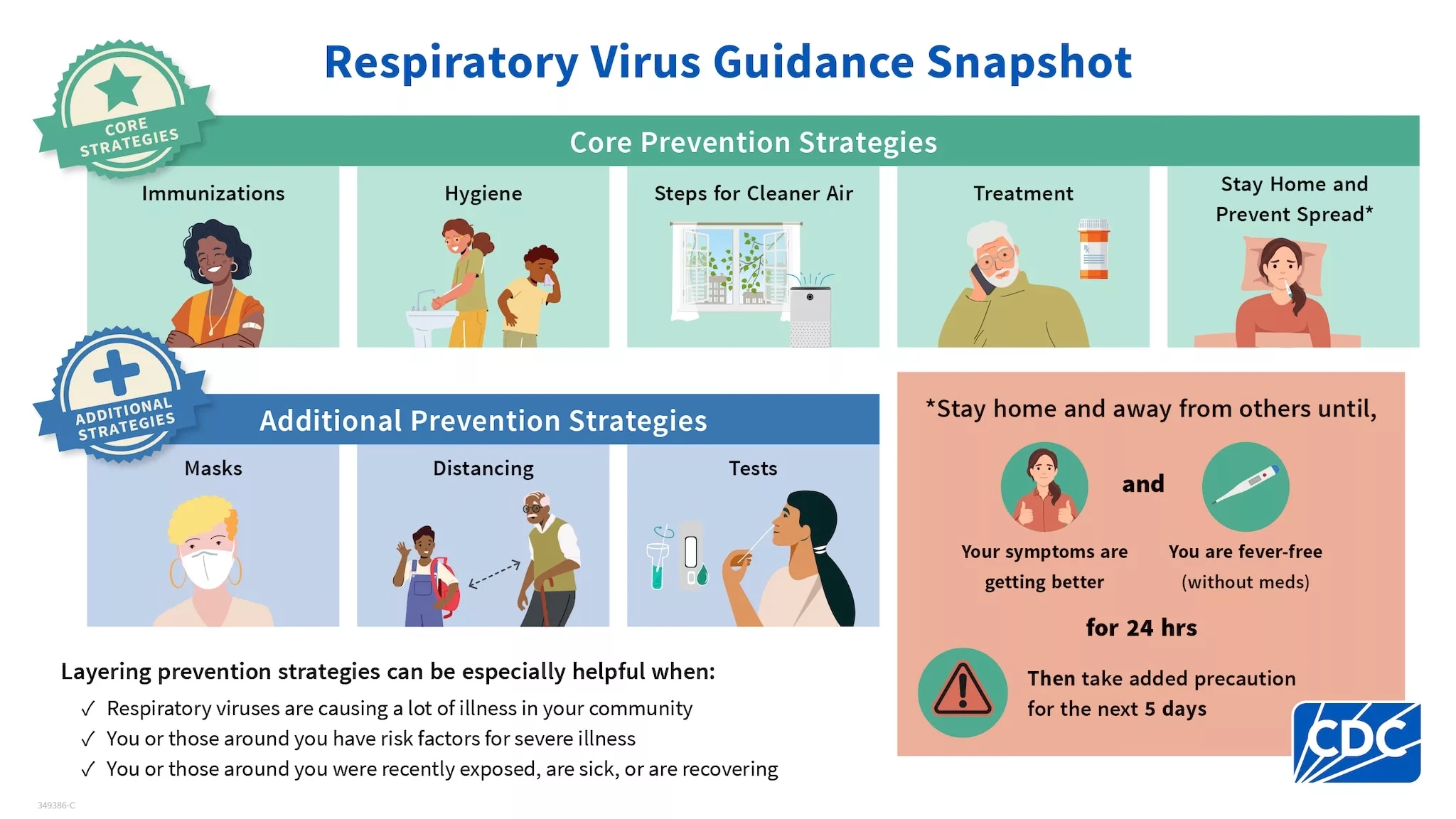
Health officials encourage individuals and families to take preventive measures to reduce the spread of RSV, including:
- Washing hands frequently with soap and water.
- Avoiding close contact with individuals who are sick.
- Cleaning and disinfecting frequently touched surfaces.
- Covering coughs and sneezes.
- Staying home when experiencing respiratory symptoms.
- Discussing RSV immunization options with a healthcare provider.
The Centers for Disease Control and Prevention (CDC) recommends RSV vaccination for adults ages 75 and older and adults ages 50 through 74 who are at increased risk of severe illness.
For infants, protection may be provided through maternal RSV vaccination during pregnancy or preventive RSV antibody immunization administered to the baby. Parents are encouraged to discuss available options with their healthcare providers.
Symptoms of RSV can include a runny nose, coughing, sneezing, fever, wheezing, and decreased appetite. Anyone experiencing difficulty breathing or other severe symptoms should seek immediate medical attention.
As RSV season approaches, healthcare professionals remind Iowans that awareness, good hygiene, and recommended immunizations can help protect vulnerable individuals and reduce the spread of respiratory illnesses.
Sources: American Lung Association and Centers for Disease Control and Prevention (CDC).