




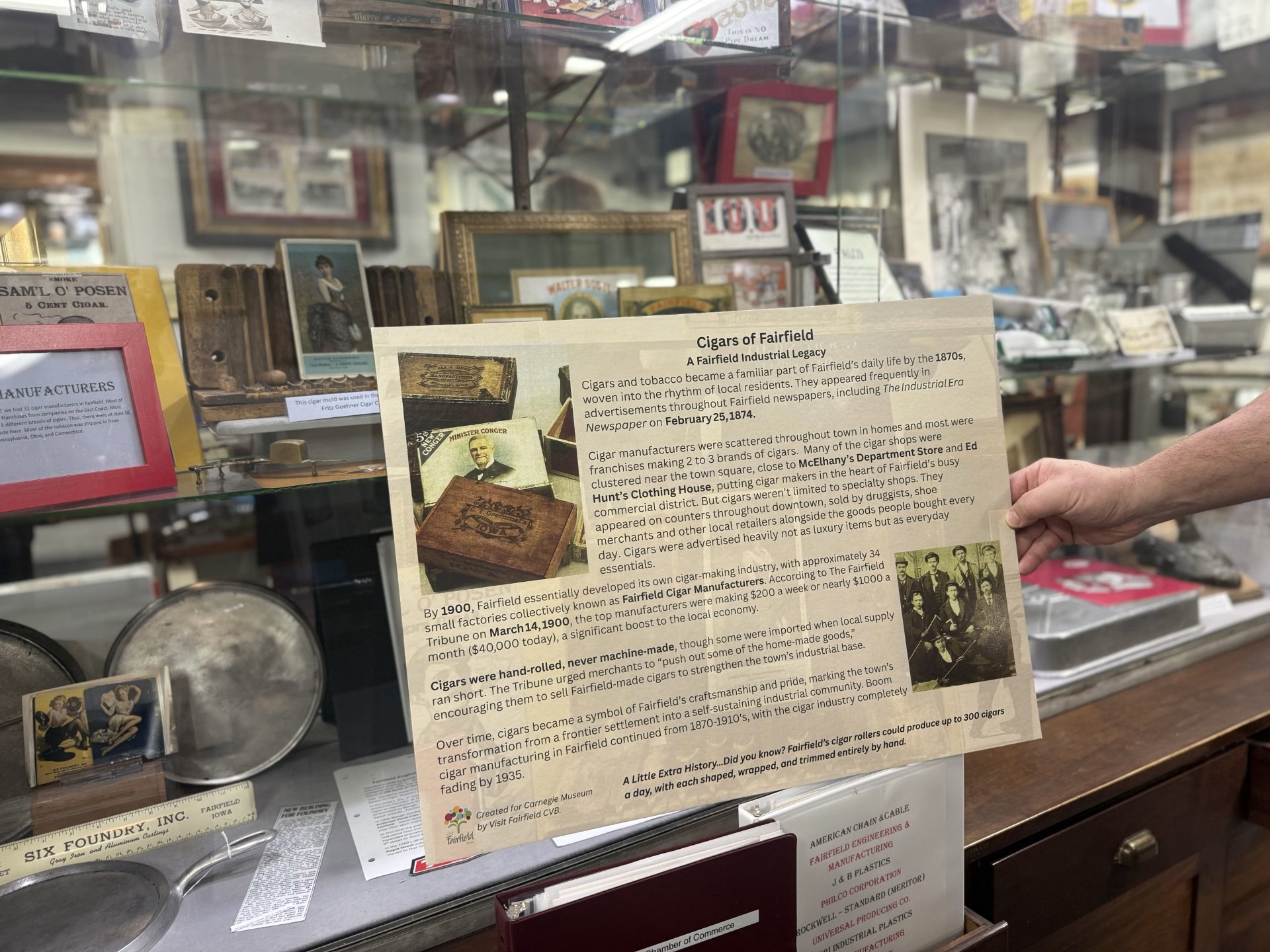
Few people know that Fairfield was once home to 34 cigar manufacturers, or that a Fairfield invention would handle NASA’s Apollo space booster rockets. These are just a few of the stories visitors can now discover through nine new interpretive signs installed at the Carnegie Museum, part of a collaborative project between Visit Fairfield and the museum in celebration of America’s 250th birthday, according to a press release from Visit Fairfield.
Six new signs were recently added to the museum, joining three installed earlier this summer. Together, they highlight the people, places and businesses that helped shape Fairfield’s history, from familiar names to surprising chapters of the community’s past.


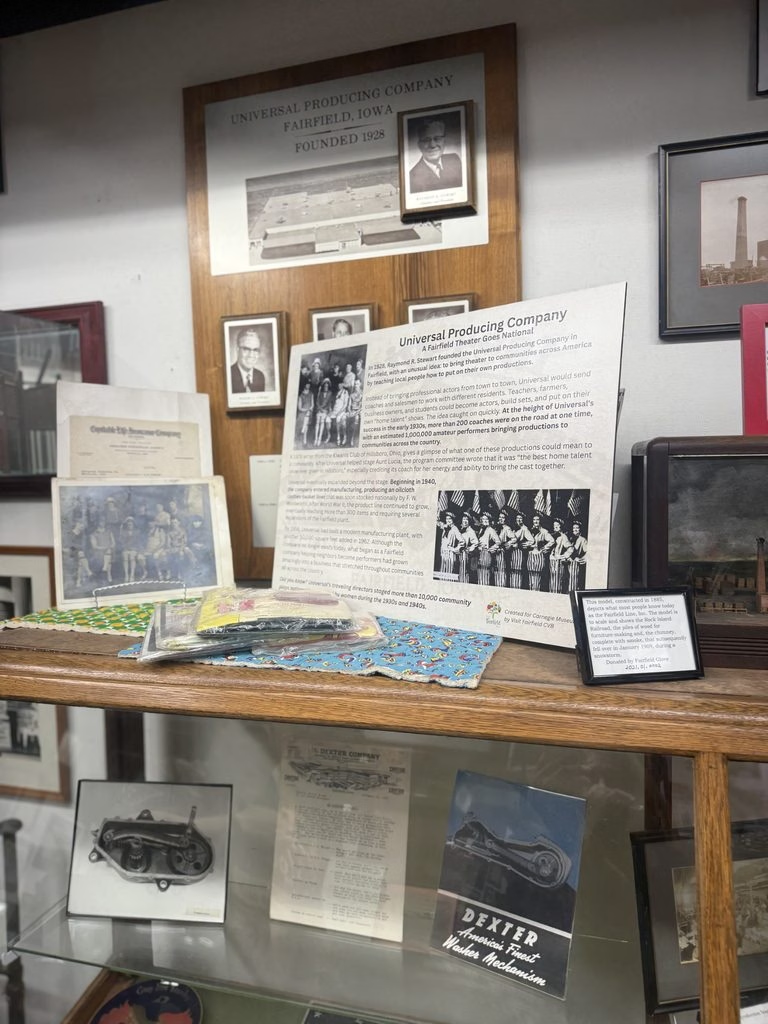
The signs explore stories of local figures such as Mehitable Woods and Daniel Stephenson, along with Fairfield’s role in hosting the first Iowa State Fair. Other displays spotlight the community’s entrepreneurial and manufacturing heritage, including Louden Manufacturing, the Universal Company and Tribune Printing Company. While some of these names remain familiar today, the stories behind them reveal a community with a remarkable history of innovation, industry and individuals who helped shape life far beyond southeast Iowa.
For Visit Fairfield, the project represents an important part of destination development: creating meaningful experiences that encourage visitors to explore, discover and connect with the community.
“Tourism isn’t just about getting people to come to Fairfield. It’s about giving them something memorable to take away,” said Terry Baker, Executive Director of Visit Fairfield. “When visitors discover that a business once helped change an entire industry, or that something nationally significant happened right here, they begin to see Fairfield differently. Those stories give our community character, and they turn a museum visit into a richer experience.”
Research for the interpretive signs was conducted over the summer by Visit Fairfield interns, who explored local history and helped bring lesser-known stories into focus. The project also illustrates the value of collaboration between community organizations in preserving and sharing Fairfield’s heritage.
For the Carnegie Museum, the new signage adds another layer of interpretation to its collections, helping visitors understand not only what they are seeing, but why it matters.
“One of the fun things about Fairfield’s history is that there’s always another story waiting to surprise you,” said Jake Schmidt, Director of the Carnegie Museum. “You might walk past an exhibit and think you know what you’re looking at, but once you hear the story behind it, suddenly it becomes a lot more interesting. That’s what these signs do. They help bring the people, the businesses and some of the wonderfully quirky parts of Fairfield’s past to life.”

The project is part of Visit Fairfield’s recognition of America’s 250th birthday in 2026, highlighting the contributions of local communities to the larger American story. For Baker, those connections are especially important.
“We often think of American history in terms of big cities, famous landmarks and major national events. But America was also built in communities like Fairfield, by inventors, entrepreneurs, manufacturers and everyday people with extraordinary stories,” Baker added. “Celebrating those contributions gives visitors another reason to spend time here, and it gives our own residents a renewed appreciation for the place they call home.”
The nine interpretive signs are now available for visitors to explore at the Carnegie Museum in Fairfield.