





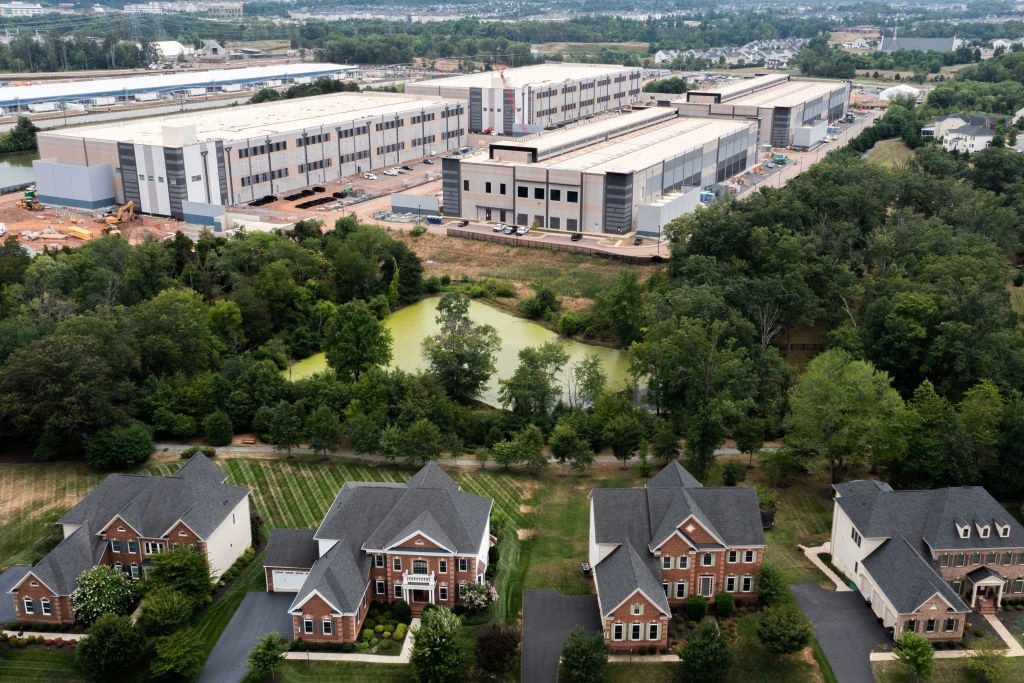
Opposition to data center development is becoming a significant issue in local and national elections across the United States, with concerns being raised by residents and elected officials from both major political parties.
According to a report published by Stateline, voters in communities across the country will consider 39 ballot measures related to data centers in eight states during the November 2026 election. The proposals include measures to restrict development, change zoning regulations or require voter approval for certain projects.


Data centers provide the computing power needed for online services and artificial intelligence technology. Supporters say these facilities can create construction jobs, increase property tax revenue and attract investment to local communities.
However, opponents have raised concerns about the potential effects of data centers on electricity demand, utility costs, water consumption, noise, pollution and farmland preservation. Some residents have also questioned how development agreements are negotiated and whether communities receive sufficient opportunities for public input.
A September poll published by the University of Massachusetts Amherst found that 65% of respondents opposed constructing an artificial intelligence data center in their local community, while 11% supported the idea.
The debate has also become part of several statewide political races. Candidates in multiple states have faced questions about tax incentives, regulations and the potential costs associated with data center development.
Industry advocates argue that concerns about poorly planned projects should not prevent communities that want data centers from pursuing them. They say appropriate planning, oversight and safeguards can help address potential impacts while allowing communities to benefit from investment and economic development.
Opponents, meanwhile, are calling for greater transparency, stronger regulations and, in some cases, restrictions or bans on new facilities.
The debate reflects competing priorities involving economic development, infrastructure capacity, environmental considerations and local decision-making. How communities balance those interests may influence future development policies and election outcomes.