



The U.S. Small Business Administration is proposing changes to the federal Small Business Innovation Research (SBIR) and Small Business Technology Transfer (STTR) programs, which provide funding to small businesses developing new technologies.
The proposed changes would establish new commercialization requirements for companies that have received more than 25 Phase II awards through the programs during the previous five fiscal years.


Under the proposal, qualifying businesses would have to demonstrate that a minimum percentage of their revenue comes from sources other than Phase I and Phase II SBIR and STTR funding.
The required percentage would begin at 33% for fiscal year 2027 and increase to 50% for fiscal year 2028 and subsequent years. Companies that fail to meet the requirement would become ineligible to apply for new Phase I or Direct-to-Phase-II awards from participating federal agencies for one year.
The SBA says the updated standards are intended to measure progress toward commercializing technologies developed through federally funded research.
The proposal has drawn responses from lawmakers and small business organizations.
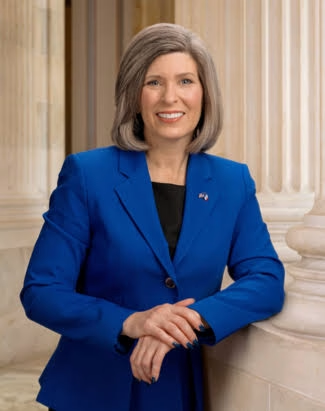
U.S. Senator Joni Ernst (R-Iowa), chair of the Senate Small Business Committee, supports the proposed changes. In a comment letter to the SBA, Ernst said the standards would encourage companies to turn federally funded research into commercial products, customers and follow-on contracts.
Ernst also pointed to research showing that a small percentage of participating companies received a significant share of program awards. She cited an analysis indicating that 0.7% of participating companies received more than 21% of SBIR and STTR awards between 2009 and 2019.
Other lawmakers and small business organizations have raised concerns about the proposal.
On October 16, 2026, Senate and House Democratic committee ranking members sent a letter to the SBA questioning whether the proposed requirements could restrict successful small businesses from continuing to participate in the programs. They also raised concerns about the implementation timeline and whether the changes align with congressional intent.
The Small Business Technology Council has also urged the SBA to withdraw the proposal. The organization argues that company revenue alone may not fully reflect commercialization success, particularly when technologies are licensed, transferred to other companies or developed for specialized defense applications.
A September 2026 Government Accountability Office report also identified concerns with the reliability of existing commercialization data. The report found that businesses submitted required information for fewer than half of their previous awards reviewed between fiscal years 2019 and 2024. The GAO recommended improvements to reporting and data verification.
The SBA’s proposed standards were published in September 2026. The public comment period is scheduled to close October 31, 2026, with the updated standards scheduled to take effect November 15, 2026.
The SBA will review public comments before issuing its final commercialization benchmark.
Sources:
- U.S. Small Business Administration, Federal Register Notice, September 2, 2026.
- U.S. Senator Joni Ernst, October 29, 2026.
- U.S. Government Accountability Office, Report GAO-26-108750, September 29, 2026.
- U.S. Senate Committee on Small Business and Entrepreneurship, October 16, 2026.
- National Small Business Association’s Small Business Technology Council, October 20, 2026.