

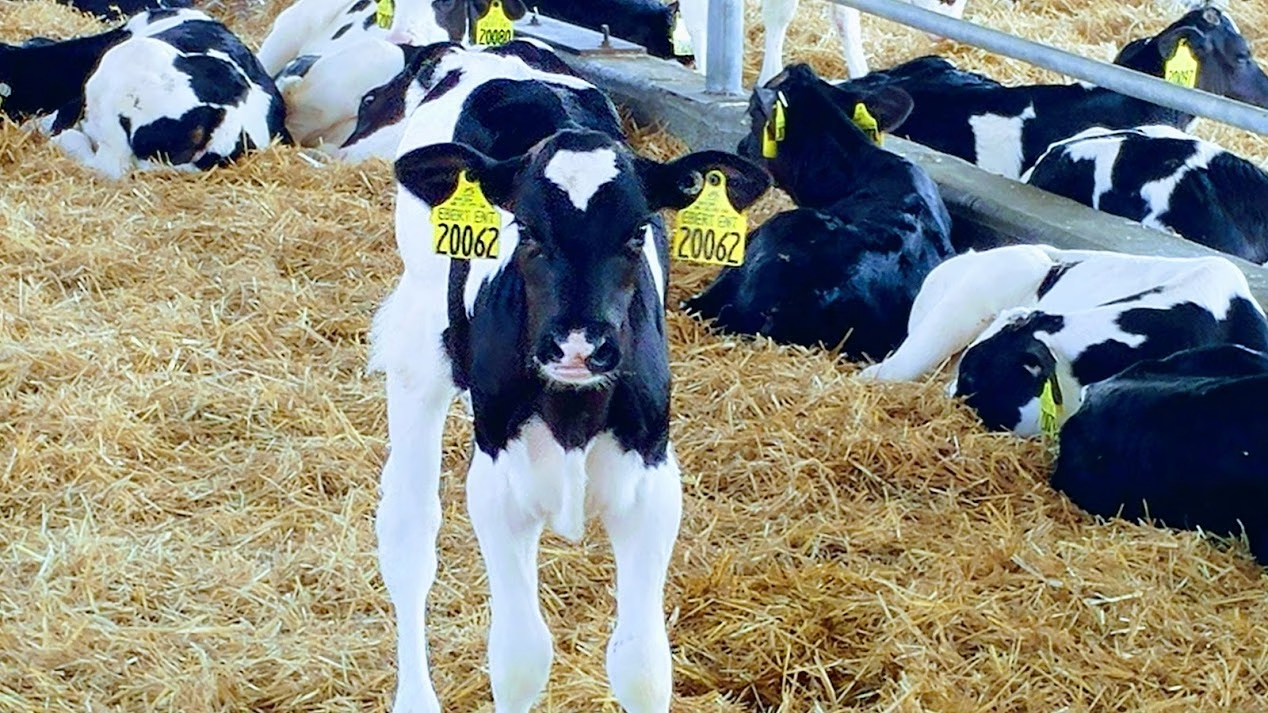
A research veterinarian expects to see new opportunities for dairy farms that don’t milk anymore.
Dr. Keith Poulsen with the Wisconsin Veterinary Diagnostic Laboratory tells Brownfield he expects high demand in one niche market. “Raising replacement animals. That supply is really low. There’s going to be a huge demand for those animals over the next 50 years.”


Poulsen says strong biosecurity plans will be even more important than now so producers can grow those animals to sell to neighbors, out of state, or to the export market. “Right now, it’s based on what’s my past history and what’s the reputation of that producer? In the future if you’re going past and you don’t know these folks, it’s going to be based on how can you prove that? Is there a diagnostic test there or is there a certification? Is there a vaccine record? That’s all part of biosecurity.”
Poulsen says raising replacements for other local farmers might be the right business model for some farms. “It all really depends on what your production facility looks like. You may need to do some upgrades. You know, raising baby calves in an old dairy barn has its challenges.”
And, Poulsen says replacement heifers are worth nearly three times more than they were a few years ago, and the same facility could take advantage of another market. “A beef on dairy cross, you know, those calves at 24-hours of age are worth 13-hundred bucks, so it doesn’t have to be a heifer. The beef market is going to be strong for the foreseeable future, too.”
Poulsen’s concern is there isn’t a strong economic incentive for producers to increase biosecurity measures with high calf demand and prices with low supplies.