





A Purdue University Extension weed scientist says this year’s rapid weather changes created ideal conditions for crop injury from some residual herbicides.
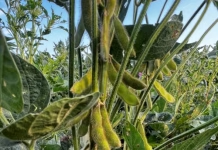
Tommy Butts says several soybean fields across Indiana saw early-season injury.
“Unfortunately, it just happened that we had a bad weather year,” he says. “It was cool and wet, so a lot of our crops were having to sit there and try and metabolize those herbicides. Nine times out of ten, the injury that we see from those ends up being cosmetic. It doesn’t affect our yield at the end of the year.”
He tells Brownfield growers shouldn’t scale back their herbicide program.
“We don’t want to move away from those products even though we had some injury pop up this year, because there’s multiple modes of action there,” he says. “They help delay resistance evolution and we want to use full rates to make sure that we’re not just beating some of these weak low doses.”
Butts says consistent use of residual herbicides helps maintain the effectiveness of each product.