




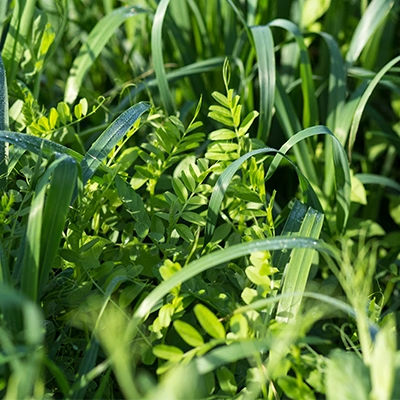
Farmers who use cover crops typically seek multiple benefits.
Maria Tancredi, Minnesota soil health specialist with the Conservation Technology Information Center, says many growers are looking to hold soil in place.


“We know how much soil erosion can lead us to losing very productive good top soils and all of those nutrients that are stored in the soils after our cash crops are harvested.”
She tells Brownfield improving water quality is another objective.
“If we have nutrients that are left in the soil after harvest, if we have a cover crop there growing, those nutrients are not going to be transported into our creeks and rivers and lakes, but they’re actually going to be captured there and be available for next year’s cash crops.”
And for farmers with livestock, Tancredi says cover crops can be a great food source.
“And we know the benefits of having livestock back on the ground, helping with that nutrient cycling. So definitely some producers will graze their cover crops or harvest them otherwise as a form of feed.”
She says cover crops are also considered a non-chemical form of weed control in some operations.