




Two Democratic congressional leaders are asking the Trump administration to delay the implementation of new Medicaid work requirements scheduled to take effect January 1, 2027.
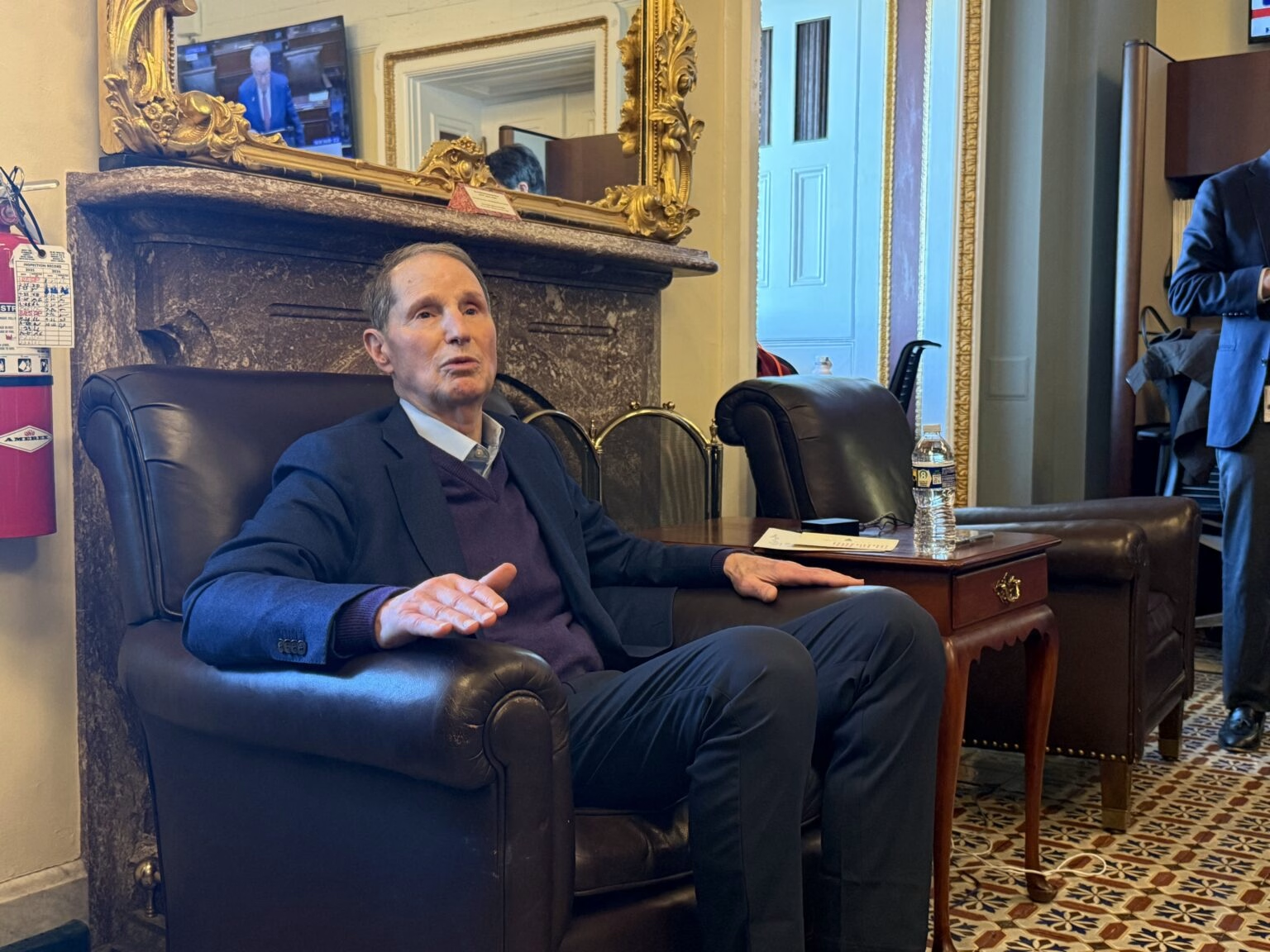
In a letter released Thursday, November 12, House Energy and Commerce Committee Ranking Member Frank Pallone Jr. of New Jersey and Senate Finance Committee Ranking Member Ron Wyden of Oregon asked the Centers for Medicare and Medicaid Services (CMS) to give states additional time to prepare for the changes.


The lawmakers said states may not have enough time to establish the necessary procedures and systems before the requirements take effect. They also raised concerns about how the new rules could affect individuals who remain eligible for Medicaid but experience difficulties meeting reporting requirements.
What the New Requirements Include
The changes are part of federal legislation approved by Congress in the summer of 2025, commonly referred to as the “One Big Beautiful Bill.”
Under the law, certain Medicaid recipients between the ages of 19 and 65 will be required to complete at least 80 hours per month of qualifying activities. These activities may include employment, community service or participation in an educational program.
The legislation includes exemptions for several groups, including pregnant individuals, parents of dependent children, certain people with complex medical conditions, members of tribal communities and individuals recently released from incarceration.
The law also provides exemptions for individuals considered medically frail or those with special medical needs.
CMS previously issued guidance outlining how states should determine medical frailty. However, that portion of the implementation process is currently affected by a federal court ruling issued in October 2026.
Pallone and Wyden questioned whether the administration’s current approach to determining medical frailty adequately accounts for certain medical conditions. In their letter, they cited cancer as an example of a diagnosis that could potentially fail to meet CMS’s definition.
Potential Impact on Medicaid Enrollment
The lawmakers also asked CMS Administrator Mehmet Oz to approve good-faith exemptions submitted by states seeking additional implementation time.
According to the letter, the lawmakers believe additional flexibility would allow states to address administrative challenges before enforcing the new requirements.
The Congressional Budget Office estimated in a July 2025 report that provisions included in the broader legislation could result in approximately 10 million people losing health insurance coverage.
Meanwhile, West Virginia state officials estimated this week that approximately 40,000 of the state’s 160,000 Medicaid recipients could lose coverage when the new requirements take effect in January.
Pallone and Wyden said they intend to oversee CMS decisions involving state exemption requests and implementation of the requirements.
As of November 13, 2026, the scheduled January 1 implementation date remains in place. The lawmakers’ request is seeking additional time for states to prepare, but it does not itself change the federal implementation deadline.