



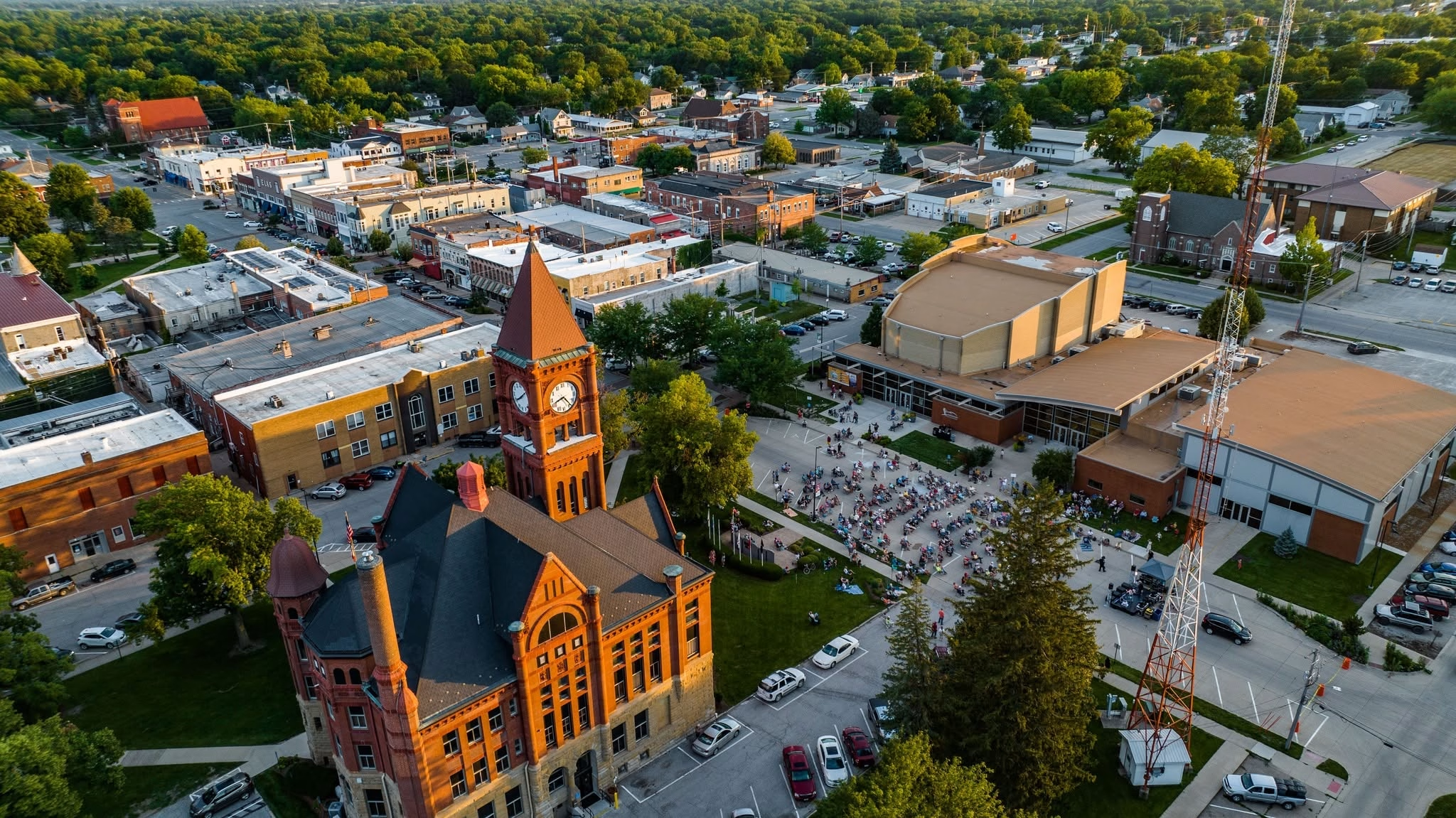
Fairfield is one of 44 Iowa census tracts approved as Qualified Opportunity Zones by the U.S. Department of the Treasury, Governor Kim Reynolds announced Monday, November 16th — a designation that could help attract private investment to a part of the city that might not otherwise draw outside capital.
Opportunity Zones are economically distressed census tracts submitted by governors and certified by the Treasury to encourage long-term private investment. Taxpayers who reinvest eligible capital gains through Qualified Opportunity Funds may qualify for federal tax benefits when those funds invest in businesses or property within designated zones. The longer an investor holds the investment, the greater the potential tax benefit. Investments can support a range of projects, including new or expanding businesses, manufacturing facilities, commercial redevelopment, and rental housing.


The new designations take effect January 1, 2027, and remain in place for 10 years.
“Opportunity Zones are a powerful tool to attract private investment, create jobs and generate new economic opportunity in communities across Iowa,” Reynolds said. “These designations position urban and rural areas to build on their strengths and advance projects that will support long-term growth.”
For Fairfield, the designation makes Census Tract 904 in Jefferson County a federally recognized zone where investors can receive significant tax benefits for putting capital to work. Local organizations — including Grow Fairfield Economic Development Association, the City of Fairfield, and the Area 15 Regional Planning Commission — can now actively market the zone to investors and developers specifically seeking Opportunity Zone projects. The designation alone does not guarantee investment, but it makes Fairfield more competitive in attracting outside capital for development.
Iowa’s 44 approved zones were selected from 175 federally eligible low-income census tracts. The Iowa Economic Development Authority invited eligible communities to submit information about their development vision, recent economic challenges, and projects anticipated over the next decade. IEDA also considered factors such as transportation access, development activity, and participation in state economic development programs before Governor Reynolds submitted the final nominations to the Treasury.
“Communities across Iowa put forward thoughtful plans that reflect local priorities and a clear vision for future development,” said Debi Durham, director of IEDA and the Iowa Finance Authority. “With Treasury’s approval, we can work alongside local leaders to connect these areas with investors and help move promising projects forward.”
Investors interested in Fairfield’s zone can contact Ed Malloy of Grow Fairfield Economic Development Association at director@growfairfield.com, City Administrator Doug Reinert at cityadmin@fairfieldiowa.gov, or Chris Bowers of the Area 15 Regional Planning Commission at chris.bowers@area15rpc.com.
Congress established the Opportunity Zones incentive in the Tax Cuts and Jobs Act of 2017. Federal legislation enacted in 2025 made the program permanent, established a new designation cycle every 10 years, and added enhanced incentives for qualifying rural investments. Iowa’s new zones will begin accepting qualifying investments January 1, 2027.
More information, including a map of all 44 approved zones, is available at Business Iowa’s website.