




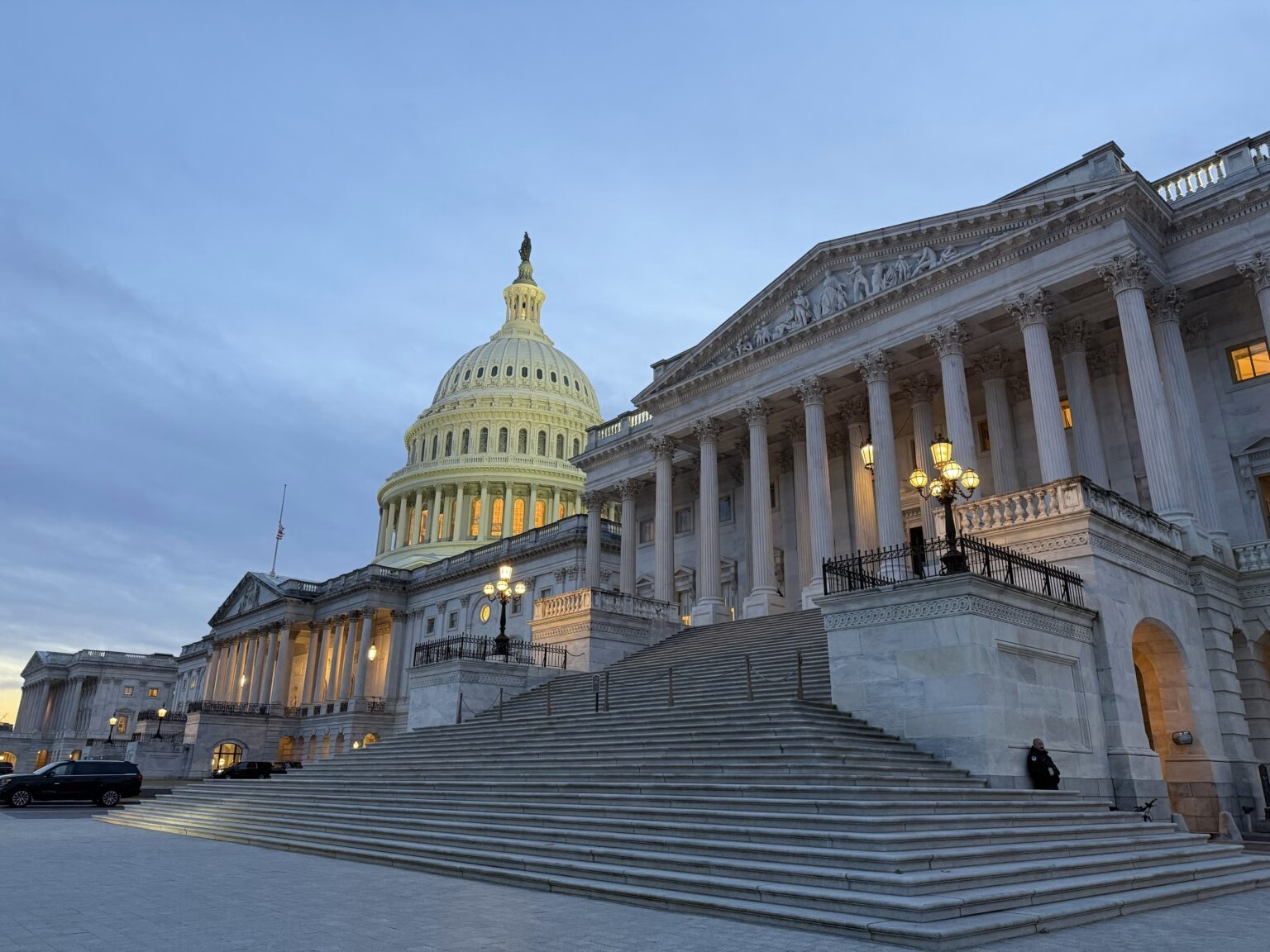
Congress is returning to Washington for a five-week lame-duck session, with Republicans continuing to control both the House and Senate through the end of the year despite Democrats gaining control following the midterm elections.
The session begins Monday and is expected to focus on completing unfinished legislative business before the new Congress takes office in early January.


Several major issues could be considered during the remaining weeks of 2026. Among them are the annual National Defense Authorization Act, a long-delayed farm bill, legislation addressing college athletics and proposed permitting reforms intended to streamline regulatory reviews for major construction projects.
One of the most immediate responsibilities for lawmakers will be approving government funding before December 11 to prevent another federal government shutdown.
Congress previously approved temporary funding to keep federal agencies operating after the new fiscal year began October 1. With limited time remaining, lawmakers are expected to pursue another short-term funding measure rather than attempting to pass all 12 full-year appropriations bills, which are estimated to total approximately $1.9 trillion.
Senate Nominee Confirmations
Senate Republicans are also expected to prioritize confirming President Donald Trump’s nominees before lawmakers leave Washington for the holiday break.
However, North Dakota Republican Senator Kevin Cramer has continued placing holds on numerous nominations while seeking changes to a Biden-era U.S. Fish and Wildlife Service policy involving wetlands easements.
Cramer has indicated he is willing to release some of the holds as the administration makes progress on the issue. Several nominees have already received confirmation following the release of individual holds.
Farm Bill Remains Unfinished
Another major issue facing Congress is the farm bill, which covers a wide range of agricultural assistance, conservation programs and nutrition services.
The legislation has been delayed amid disagreements between Republicans and Democrats. Senate Agriculture Committee Chairman John Boozman of Arkansas and House Agriculture Committee Chairman Glenn Thompson of Pennsylvania have both identified completing a five-year farm bill as a priority before the end of the year.
Democrats have also identified several areas they want addressed, including Supplemental Nutrition Assistance Program requirements, conservation funding and year-round access to E15 gasoline.
The Senate Agriculture Committee approved its version of the legislation in September, although it did not receive bipartisan support.
Defense and College Athletics Legislation
Lawmakers may also work toward final approval of the annual National Defense Authorization Act, which establishes policy and priorities for the nation’s military.
House Armed Services Committee Chairman Mike Rogers of Alabama has identified passage of the legislation as a priority. The measure includes provisions addressing military personnel pay, health care and childcare, along with other national defense matters.
Congress could also consider college athletics legislation previously approved by the Senate. Supporters are encouraging House Republicans to bring the measure forward before the end of the year.
Additionally, a bipartisan permitting reform proposal could receive consideration. The legislation is intended to streamline regulatory reviews and help speed construction of public projects.
House Leadership and Ethics Changes
Beyond legislative matters, House members may consider changes to congressional ethics rules following concerns involving lawmakers’ conduct.
Representatives Kat Cammack, a Florida Republican, and Teresa Leger Fernández, a New Mexico Democrat, have been working on potential changes intended to address ethics issues.
House Republicans will also select their leadership team for the next Congress.
Speaker Mike Johnson of Louisiana has announced he will not seek to continue leading House Republicans, setting up a leadership contest between House Majority Leader Steve Scalise of Louisiana and House Judiciary Committee Chairman Jim Jordan of Ohio.
Meanwhile, House Democratic Leader Hakeem Jeffries, Senate Democratic Leader Chuck Schumer and Senate Republican Leader John Thune are expected to remain in their respective leadership positions.
The five-week session will give lawmakers an opportunity to address outstanding legislation and government funding before the new congressional session begins in January.