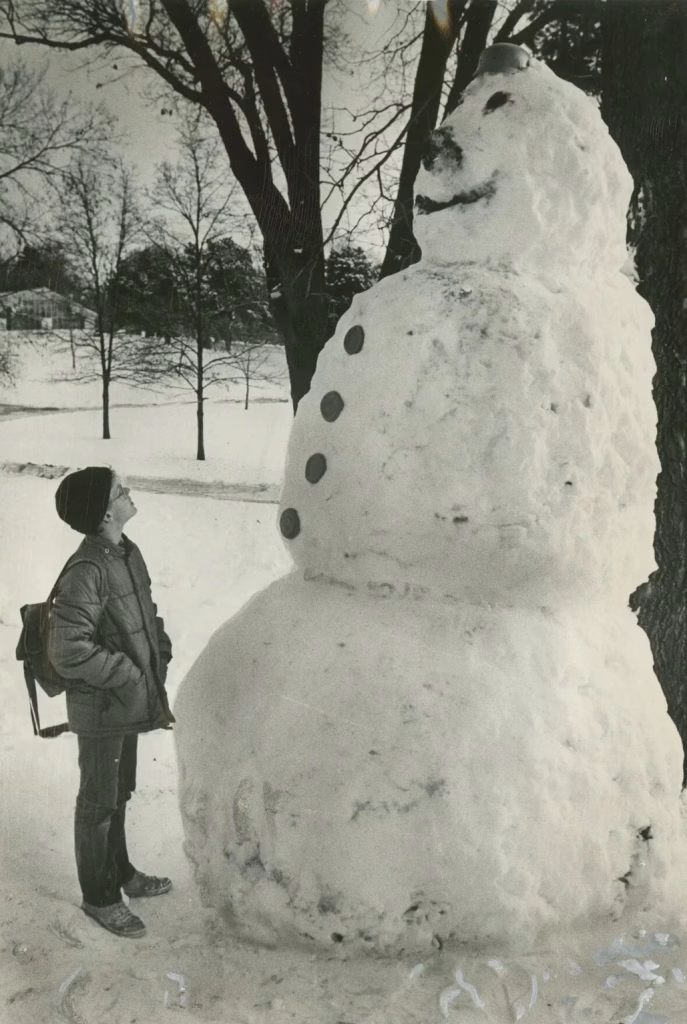






Iowa’s 1983 Thanksgiving weekend was anything but peaceful, as back-to-back icy blizzards swept across the state and brought holiday travel to a halt. By the time the storms wrapped up on November 27, at least three people had lost their lives, thousands were without power in western Iowa, and countless travelers had been stranded on highways and in airports.
The trouble began ahead of the busy holiday rush when the first round of snow and ice rolled into Iowa. Treacherous road conditions quickly turned deadly. In Woodbury County, a woman died after her car slid off an icy stretch of Highway 20. Not long after, in Greene County near Carroll, two more people were killed in a head-on collision blamed on slick roads. A wide band of snow—ranging from three to six inches—fell from Clarinda to Mason City, blanketing the ice and triggering dozens of additional accidents. Many travelers spent hours stuck in their vehicles as emergency crews worked to clear the mess.


Just as the state began grappling with the first wave, a second and even more significant storm barreled into western Iowa. It began with steady freezing rain across Nebraska and western Iowa before transitioning into heavy snow. Sioux City, which bore the worst of the storm, saw more than a foot of wet, heavy snow paired with wind gusts reaching 50 mph. The conditions effectively paralyzed the city, forced the closure of I-29, and left residents digging out for days.
The weight of the snow caused serious infrastructure problems as well. Near Glenwood, a major power line snapped, plunging more than 2,000 Mills County customers into darkness during the holiday weekend. And the storm’s impact didn’t stop at Iowa’s borders—snowfall of one to two inches stretched all the way from Denver to Duluth, leaving thousands more travelers stranded in airports and along major highways.
The Thanksgiving Blizzard of 1983 is still remembered as one of Iowa’s most disruptive holiday storms, a reminder of how quickly winter weather can change travel plans—and lives—in an instant.