




The Iowa renewable fuels industry is preparing to work with a new congressional delegation and a new governor as political leadership changes in 2027.
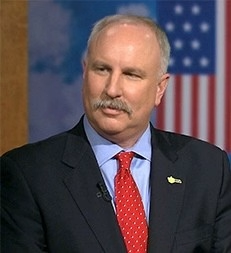
Iowa Renewable Fuels Association Executive Director Monte Shaw says he does not anticipate a major change in support for the state’s ethanol industry, despite Democrats gaining a majority among Iowa’s incoming congressional representatives.


Iowa voters elected five new members to serve in the U.S. House and Senate, four of whom are Democrats. Shaw said renewable fuels and clean energy initiatives could provide common ground among lawmakers from both parties.
One area he identified is the federal 45Z Clean Fuel Production Tax Credit. The incentive is designed to encourage the production of lower-emission transportation fuels and could provide opportunities for farmers to adopt agricultural practices that reduce the carbon intensity of corn and soybeans while addressing water quality concerns.
Shaw distinguished between what he called established “champions of ethanol” and the incoming lawmakers, whom he currently considers supporters. He said developing congressional champions takes time, including gaining experience with the industry, understanding policy details and making renewable fuels a legislative priority.
The association is also preparing to work with Governor-elect Rob Sand. Shaw said it is too early to determine how Sand’s administration will approach renewable fuels compared with previous administrations led by Terry Branstad and Kim Reynolds.
However, Shaw pointed to Sand’s visits to Iowa ethanol plants and statements supporting ethanol during the campaign as indications of potential cooperation.
Shaw said agricultural production and Iowa’s overall economy are closely connected, adding that increasing demand for biofuels could provide additional economic opportunities for farmers.
The re-election of Iowa Agriculture Secretary Mike Naig was another development Shaw addressed. He described the outcome as a relief for the ethanol industry, noting that Democratic challenger Chris Jones had questioned ethanol’s environmental benefits and advocated moving away from ethanol production as part of an effort to diversify Iowa agriculture.
Iowa currently has 42 ethanol plants, producing approximately 28% of the nation’s ethanol supply. However, total ethanol production in the state has remained relatively unchanged over the past three years.
As Iowa prepares for changes in political leadership, the renewable fuels industry will be watching how incoming lawmakers and state officials approach ethanol policy, agricultural markets, clean fuel incentives and future production opportunities.