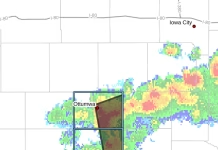


As we enter early March 2026, drought and dry conditions continue to be a notable concern for parts of Iowa, including the region around Ottumwa, Iowa. According to the most recent U.S. Drought Monitor and state water resource reports, about half of Iowa is now classified as abnormally dry, with portions of the state still experiencing lingering moderate drought conditions in certain northern and western areas. While widespread severe drought has eased compared with the dry fall of 2025, below-average precipitation during the winter months has left soil moisture generally lower than normal across much of the state.
In southern regions of the state — which include Wapello County, where Ottumwa is located — drought impacts have varied but tend to fall within the abnormally dry to mild drought range rather than extreme categories. Throughout 2025, Iowa’s drought situation shifted several times, with periods of above-normal rainfall over the summer bringing drought relief statewide, followed by a return of dry conditions in the fall. By early 2026, official drought watch designations that had been in place in 2025 were lifted due to some improvements in conditions, though precipitation deficits remain evident and soil dryness persists in places.



For Ottumwa specifically, local drought impacts are tied to broader regional patterns. The dryness observed across southern and southeast Iowa can stress topsoil moisture and delay recharge of deeper soil layers, which has implications for early planting conditions and pasture health as spring approaches. While current drought classifications do not indicate a severe crisis, the persistence of dry conditions means that water supply and agricultural resilience remain important considerations for the coming months. Continued monitoring of precipitation and drought updates will be especially critical as temperatures rise and the growing season begins.
In summary, drought conditions in Ottumwa and its surrounding areas as of March 2, 2026 are best described as generally dry with pockets of abnormal dryness, reflecting broader statewide patterns of recent rainfall shortfalls. Although extreme drought threats have lessened compared with past seasons, the persistence of abnormally dry conditions highlights the importance of ongoing rainfall and moisture recovery.